EN

T-Bar Row

Average man
one-rep max
82181kglb
The most he can lift once. Half of men lift more, half lift less.
Rate your t-bar row
Average woman
one-rep max
4088kglb
The most she can lift once. Half of women lift more, half lift less.
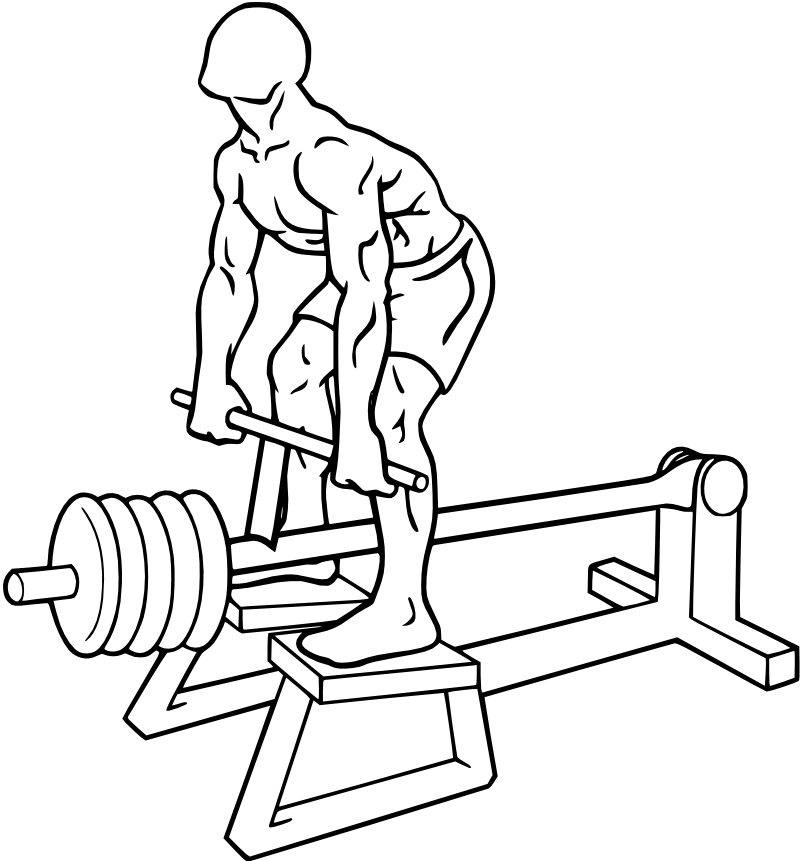
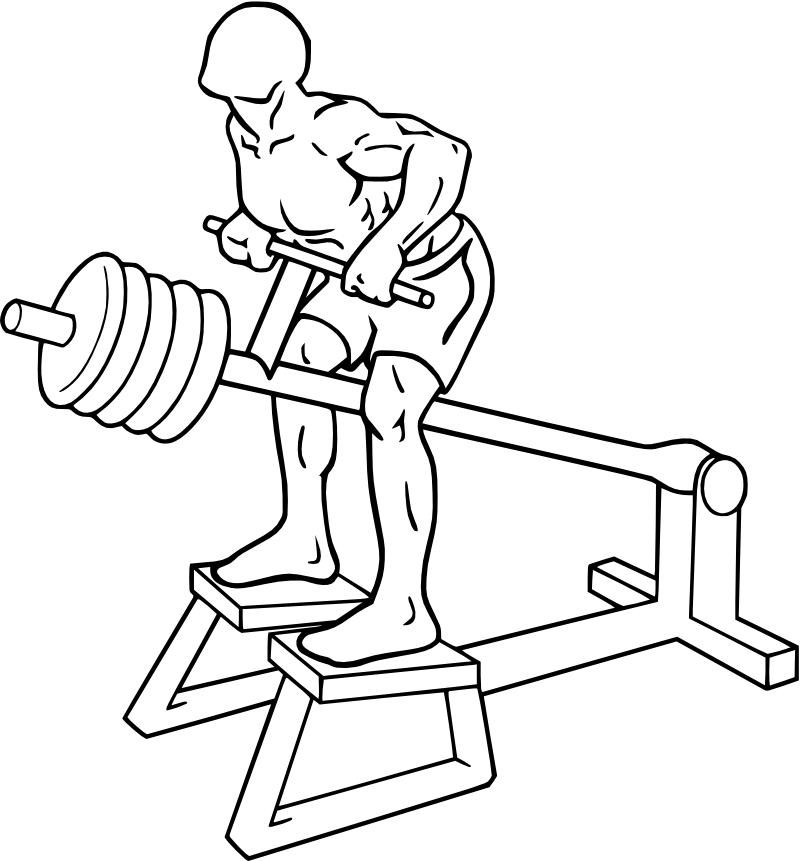
T-Bar Row — start positionT-Bar Row — end position
Illustration: Everkinetic, CC BY-SA 3.0
1 How much should I be able to t-bar row?
By bodyweight - malefemale
BodyweightBeginnerNoviceIntermediateAdvancedElite
50 kg35456074102
55 kg38486479109
60 kg40516883115
65 kg42547188122
70 kg44577592128
75 kg46597897134
80 kg486282101140
85 kg506585105145
90 kg526789109151
95 kg546992113157
100 kg567295117162
105 kg587498121167
110 kg6077101125173
115 kg6279104128178
120 kg6381107132183
125 kg6583110136188
130 kg6786113139193
135 kg6888116143198
140 kg7090119146203
150 kg7394125153212
160 kg7798130160222
BodyweightBeginnerNoviceIntermediateAdvancedElite
50 kg0.70×0.90×1.20×1.48×2.04×
55 kg0.69×0.87×1.16×1.44×1.98×
60 kg0.67×0.85×1.13×1.38×1.92×
65 kg0.65×0.83×1.09×1.35×1.88×
70 kg0.63×0.81×1.07×1.31×1.83×
75 kg0.61×0.79×1.04×1.29×1.79×
80 kg0.60×0.78×1.02×1.26×1.75×
85 kg0.59×0.76×1.00×1.24×1.71×
90 kg0.58×0.74×0.99×1.21×1.68×
95 kg0.57×0.73×0.97×1.19×1.65×
100 kg0.56×0.72×0.95×1.17×1.62×
105 kg0.55×0.70×0.93×1.15×1.59×
110 kg0.55×0.70×0.92×1.14×1.57×
115 kg0.54×0.69×0.90×1.11×1.55×
120 kg0.53×0.68×0.89×1.10×1.52×
125 kg0.52×0.66×0.88×1.09×1.50×
130 kg0.52×0.66×0.87×1.07×1.48×
135 kg0.50×0.65×0.86×1.06×1.47×
140 kg0.50×0.64×0.85×1.04×1.45×
150 kg0.49×0.63×0.83×1.02×1.41×
160 kg0.48×0.61×0.81×1.00×1.39×
BodyweightBeginnerNoviceIntermediateAdvancedElite
110 lb0.71×0.91×1.20×1.47×2.05×
121 lb0.69×0.88×1.17×1.43×1.98×
132 lb0.67×0.86×1.13×1.39×1.92×
143 lb0.65×0.83×1.10×1.35×1.87×
154 lb0.63×0.81×1.07×1.32×1.83×
165 lb0.62×0.79×1.05×1.29×1.79×
176 lb0.60×0.78×1.03×1.26×1.75×
187 lb0.59×0.76×1.01×1.24×1.72×
198 lb0.58×0.75×0.98×1.21×1.68×
209 lb0.57×0.73×0.97×1.19×1.65×
220 lb0.56×0.72×0.95×1.17×1.62×
231 lb0.55×0.71×0.94×1.15×1.60×
243 lb0.54×0.70×0.92×1.13×1.57×
254 lb0.54×0.69×0.91×1.11×1.54×
265 lb0.53×0.68×0.89×1.10×1.52×
276 lb0.52×0.67×0.88×1.08×1.50×
287 lb0.51×0.66×0.87×1.07×1.48×
298 lb0.51×0.65×0.86×1.06×1.46×
309 lb0.50×0.64×0.85×1.05×1.45×
331 lb0.49×0.63×0.83×1.02×1.41×
353 lb0.48×0.61×0.81×1.00×1.39×
BodyweightBeginnerNoviceIntermediateAdvancedElite
40 kg1520304164
45 kg1622334469
50 kg1823354774
55 kg1925385179
60 kg2026405484
65 kg2128425689
70 kg2229445993
75 kg2330466297
80 kg24324865102
85 kg25335068106
90 kg26345270110
95 kg27365473114
100 kg28375675118
105 kg29385878122
110 kg30396080126
115 kg31416283130
120 kg32426385133
130 kg33446790141
140 kg35467094148
BodyweightBeginnerNoviceIntermediateAdvancedElite
40 kg0.38×0.50×0.75×1.02×1.60×
45 kg0.36×0.49×0.73×0.98×1.53×
50 kg0.36×0.46×0.70×0.94×1.48×
55 kg0.35×0.45×0.69×0.93×1.44×
60 kg0.33×0.43×0.67×0.90×1.40×
65 kg0.32×0.43×0.65×0.86×1.37×
70 kg0.31×0.41×0.63×0.84×1.33×
75 kg0.31×0.40×0.61×0.83×1.29×
80 kg0.30×0.40×0.60×0.81×1.27×
85 kg0.29×0.39×0.59×0.80×1.25×
90 kg0.29×0.38×0.58×0.78×1.22×
95 kg0.28×0.38×0.57×0.77×1.20×
100 kg0.28×0.37×0.56×0.75×1.18×
105 kg0.28×0.36×0.55×0.74×1.16×
110 kg0.27×0.35×0.55×0.73×1.15×
115 kg0.27×0.36×0.54×0.72×1.13×
120 kg0.27×0.35×0.53×0.71×1.11×
130 kg0.25×0.34×0.52×0.69×1.08×
140 kg0.25×0.33×0.50×0.67×1.06×
BodyweightBeginnerNoviceIntermediateAdvancedElite
88 lb0.39×0.50×0.76×1.02×1.60×
99 lb0.36×0.48×0.74×0.98×1.55×
110 lb0.35×0.46×0.71×0.95×1.49×
121 lb0.35×0.45×0.69×0.92×1.45×
132 lb0.33×0.44×0.67×0.89×1.40×
143 lb0.32×0.43×0.65×0.87×1.36×
154 lb0.32×0.42×0.63×0.85×1.33×
165 lb0.31×0.41×0.62×0.83×1.30×
176 lb0.30×0.40×0.61×0.81×1.27×
187 lb0.29×0.39×0.59×0.80×1.25×
198 lb0.29×0.38×0.58×0.78×1.23×
209 lb0.29×0.38×0.57×0.77×1.21×
220 lb0.28×0.37×0.56×0.75×1.18×
231 lb0.28×0.36×0.55×0.74×1.16×
243 lb0.27×0.36×0.54×0.73×1.14×
254 lb0.27×0.35×0.54×0.72×1.13×
265 lb0.26×0.35×0.53×0.71×1.11×
287 lb0.26×0.34×0.51×0.69×1.08×
309 lb0.25×0.33×0.50×0.67×1.06×
BodyweightBeginnerNoviceIntermediateAdvancedElite
110 lb78100132162225
121 lb83106141173240
132 lb88113149183254
143 lb93119157193268
154 lb97125165203282
165 lb102131173213295
176 lb106137181222308
187 lb111142188231321
198 lb115148195240333
209 lb119153202249345
220 lb124158210258357
231 lb128164216266369
243 lb132169223275381
254 lb136174230283392
265 lb140179237291403
276 lb143184243299415
287 lb147189250307426
298 lb151194256315436
309 lb155198262323447
331 lb162208275338468
353 lb169217287353489
BodyweightBeginnerNoviceIntermediateAdvancedElite
88 lb34446790141
99 lb36487397153
110 lb395178105164
121 lb425583111175
132 lb445888118185
143 lb466193125195
154 lb496497131205
165 lb5167102137215
176 lb5370107143224
187 lb5573111149234
198 lb5876115155243
209 lb6079119160252
220 lb6281124166260
231 lb6484128171269
243 lb6687132177277
254 lb6889136182286
265 lb7092140187294
287 lb7497147198310
309 lb77102155208326
By age - malefemale
AgeBeginnerNoviceIntermediateAdvancedElite
15 yrs43557289123
20 yrs486282100139
25 yrs486282101140
30 yrs48618199138
35 yrs47607997135
40 yrs46597795132
45 yrs44567592127
50 yrs42547188122
55 yrs40516884116
60 yrs37486378108
65 yrs35455973101
70 yrs3241546793
75 yrs2937496083
80 yrs2533435373
AgeBeginnerNoviceIntermediateAdvancedElite
15 yrs1823354774
20 yrs2026405384
25 yrs2026405484
30 yrs2026395383
35 yrs1925395281
40 yrs1925385179
45 yrs1824364976
50 yrs1723354773
55 yrs1722334470
60 yrs1520314265
65 yrs1419293961
70 yrs1317273656
75 yrs1216243250
80 yrs1014212844
AgeBeginnerNoviceIntermediateAdvancedElite
15 yrs94121160196272
20 yrs106136180222307
25 yrs106137181222308
30 yrs105135178219303
35 yrs103132174215297
40 yrs101129171210291
45 yrs97124164202280
50 yrs93119157194268
55 yrs88113150184255
60 yrs83106140172239
65 yrs7799131161223
70 yrs7191120148205
75 yrs6381107132183
80 yrs567295117162
AgeBeginnerNoviceIntermediateAdvancedElite
15 yrs395178104164
20 yrs445888118185
25 yrs445888118185
30 yrs435787116182
35 yrs425685114179
40 yrs425583112175
45 yrs405380107169
50 yrs385077103161
55 yrs36487398154
60 yrs34456891144
65 yrs32426486134
70 yrs29385879123
75 yrs26345270110
80 yrs2330466297
2 How many sets and reps should I do?
Strength Heavy loads, low reps, full recovery between sets - the most direct way to move up the levels on this page.
3–5 × 3–5 reps
1 rep1020+
Load 80–90% 1RM - Rest 2–5 min
Muscle growth Moderate loads taken close to failure. This is where most of your weekly training volume should live.
3–4 × 8–12 reps
1 rep1020+
Load 65–75% 1RM - Rest 1–2 min
Endurance Light loads and short rests - conditioning and technique practice rather than maximal strength.
2–3 × 12–20 reps
1 rep1020+
Load 50–60% 1RM - Rest 30–90 s
Frequency: 1–2 sessions per week The braced angle lets you row heavy - keep the lower back neutral.
Tip: use the calculator at the top of this page and the loads above will also be shown in kilograms for your estimated one-rep max.
3 What do the strength levels mean?
Beginner
10th percentile
Learning the movement pattern - a typical result in the first weeks of training.
Novice
25th percentile
A few months of consistent training, with solid basic technique.
Intermediate
50th percentile
The median trained lifter - usually reached after 1–2 years of regular training.
Advanced
75th percentile
Several years of structured, progressive training.
Elite
95th percentile
Top 5% of trained lifters - the territory of competitive strength athletes.
Each level is a percentile of the strength-training population (people who train with weights, not the general public), applied to one-rep max results. Thresholds are calibrated using public-domain data from OpenPowerlifting and our own statistical model of the training population.
4 More exercises
All exercises
5 More information

What are t-bar row strength standards?

T-Bar Row strength standards show what lifters at different experience levels typically achieve for a single repetition (one-rep max, 1RM). The tables on this page are broken down by gender, bodyweight and age, so you can compare your result with people of a similar build rather than with a global average.

How is the one-rep max estimated?

You rarely need to test a true 1RM in the gym. Our calculator uses the Epley formula: it takes the weight you lifted and the number of repetitions, and estimates the single heaviest lift you could perform. Entering your bodyweight and age refines the comparison, because relative strength changes with both.

How do I use the standards in training?

Check your current level, then use the next threshold as a medium-term goal. Recheck your result every few weeks and track how you move through the levels - from Beginner to Novice, Intermediate, Advanced and finally Elite.

How should I progress at each level?

  • Beginner & Novice: a simple linear plan is all you need - 3×5 or 5×5, adding 2.5 kg every session.
  • Intermediate: progress weekly instead of every session - alternate heavy and lighter days.
  • Advanced & Elite: plan in blocks: intensity waves, planned variation and regular deloads.