Strength Heavy loads, low reps, full recovery between sets - the most direct way to move up the levels on this page.
3–4 × 6–8 reps
1 rep1020+
Load 75–85% 1RM - Rest 2–3 min
Muscle growth Moderate loads taken close to failure. This is where most of your weekly training volume should live.
3–4 × 8–12 reps
1 rep1020+
Load 65–75% 1RM - Rest 1–2 min
Endurance Light loads and short rests - conditioning and technique practice rather than maximal strength.
2–3 × 15–20 reps
1 rep1020+
Load 50–60% 1RM - Rest 30–60 s
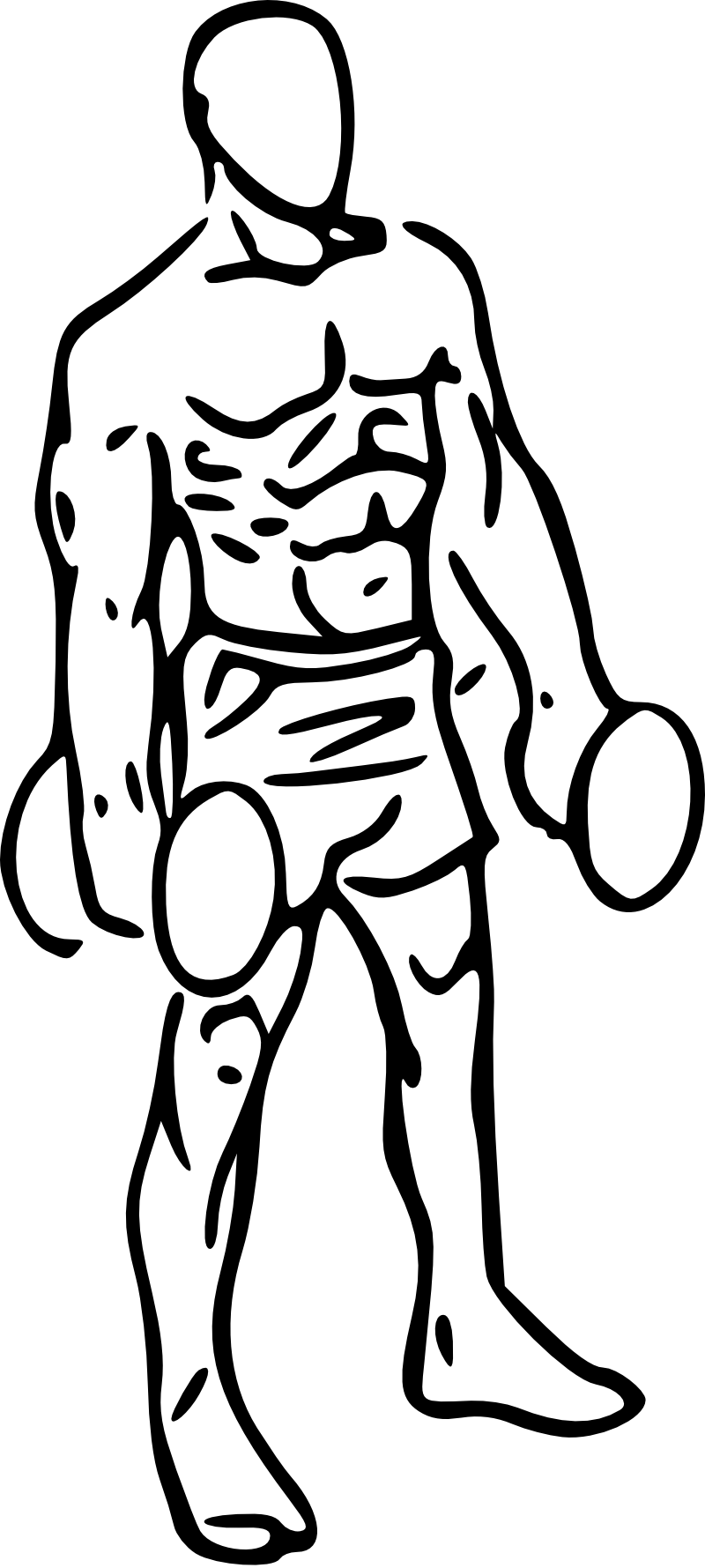
Frequency: 1–3 sessions per week The neutral grip hits the brachialis - most lifters curl a bit more than supinated.
Tip: use the calculator at the top of this page and the loads above will also be shown in kilograms for your estimated one-rep max.
3What do the strength levels mean?
Beginner
10th percentile
Learning the movement pattern - a typical result in the first weeks of training.
Novice
25th percentile
A few months of consistent training, with solid basic technique.
Intermediate
50th percentile
The median trained lifter - usually reached after 1–2 years of regular training.
Advanced
75th percentile
Several years of structured, progressive training.
Elite
95th percentile
Top 5% of trained lifters - the territory of competitive strength athletes.
Each level is a percentile of the strength-training population (people who train with weights, not the general public), applied to one-rep max results. Thresholds are calibrated using public-domain data from OpenPowerlifting and our own statistical model of the training population.
Hammer Curl strength standards show what lifters at different experience levels typically achieve for a single repetition (one-rep max, 1RM). The tables on this page are broken down by gender, bodyweight and age, so you can compare your result with people of a similar build rather than with a global average.
How is the one-rep max estimated?
You rarely need to test a true 1RM in the gym. Our calculator uses the Epley formula: it takes the weight you lifted and the number of repetitions, and estimates the single heaviest lift you could perform. Entering your bodyweight and age refines the comparison, because relative strength changes with both.
How do I use the standards in training?
Check your current level, then use the next threshold as a medium-term goal. Recheck your result every few weeks and track how you move through the levels - from Beginner to Novice, Intermediate, Advanced and finally Elite.
How should I progress at each level?
Beginner & Novice: a simple linear plan is all you need - 3×5 or 5×5, adding 2.5 kg every session.
Intermediate: progress weekly instead of every session - alternate heavy and lighter days.
Advanced & Elite: plan in blocks: intensity waves, planned variation and regular deloads.